House cleaning in Florida: licenses, mold and safer products
Hiring someone to clean your home is simple: as far as the state’s license list shows, Florida has no license for regular cleaning. Two jobs are different, though: large mold problems and spraying for bugs.
Does it need a license in Florida?
There is no state license for regular house cleaning, as far as the license list of the Florida Department of Business and Professional Regulation (DBPR) shows.
Your city or county may still have rules for local businesses. Brevard County, for example, lists “Pressure Washing and Cleaning” among its “unregulated specialty trades” and points those businesses to the county Tax Collector’s office for a local Business Tax Receipt. Ask your city or county what applies where you live.
Two jobs are different, and both need a licensed pro:
- Spraying for bugs. Florida law counts putting any product in, on or under a home to kill or keep away pests as “pest control”. Running a pest control business without a license from the Florida Department of Agriculture and Consumer Services (FDACS) is illegal. So for ants or roaches, hire a licensed pest control company instead of asking your cleaner.
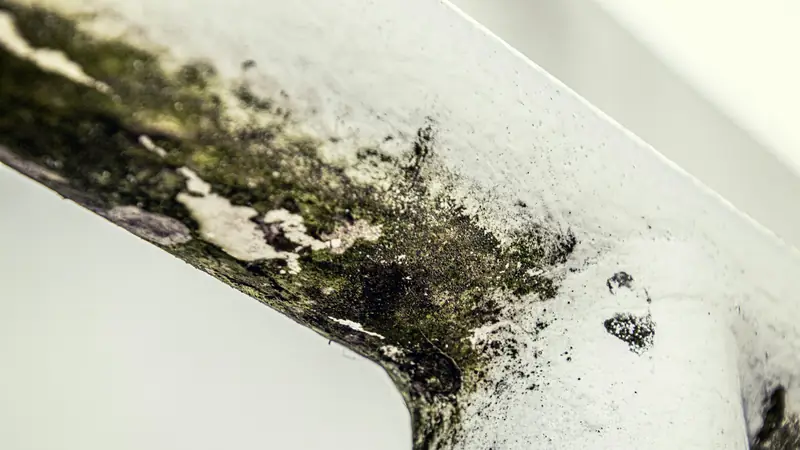
- Mold on more than 10 square feet (about 3 by 3 feet). Under Florida law, cleaning or removing mold from an area that big is “mold remediation”, and mold remediators are licensed by the DBPR. For smaller spots and how to keep mold away, see our mold guide.
How to check
Regular cleaning has no state license to look up. For the two licensed jobs, it takes a couple of minutes:
- Mold remediator: search the name or the license number on myfloridalicense.com, the DBPR’s free license search. Mold remediators are listed as MRSR.
- Pest control company: find it in the Pest Control Business Licenses report on the FDACS licensing site, or call FDACS at 1-800-435-7352.
- At your door: every pest control technician must carry an FDACS ID card and show it when you ask.
Our license guide walks you through the DBPR search step by step.
Before you hire
- Agree on the job in writing: which rooms, what’s included (the inside of the oven? the windows?), how often and the price.
- Ask which products they use. The EPA’s Safer Choice label helps you find cleaning products with ingredients that are safer for people and the environment. You can ask your cleaner to use them, or buy them yourself and leave them out.
- Keep bug spraying out of the deal. If a cleaner offers to spray for pests, call a licensed pest control company instead.
- Stop at big mold. If the cleaner finds mold on more than about 10 square feet, it’s time for a licensed mold remediator, not more scrubbing.
Need a pro for this?
Tell us what you need and see local pros near you, with photos of their work. Then message them on WhatsApp. Free, no sign-up.
Sources
- Florida DBPR: the professions it licenses
- Florida DBPR: verify a license
- Florida DBPR: mold-related services
- Florida Statutes §468.8411: what counts as mold remediation
- Florida Statutes §468.8419: what mold assessors and remediators may not do
- Florida Statutes §482.021: what counts as pest control
- Florida Statutes §482.071: pest control businesses need a license
- Florida Statutes §482.091: ID cards for pest control workers
- FDACS: licensing portal
- Brevard County: handyman work and unregulated trades
- U.S. EPA: Safer Choice
This page is general information, not legal advice. Rules change and differ from city to city, so check the official links and ask your city or county.