Mold in a Florida home: where to look and when to call a pro
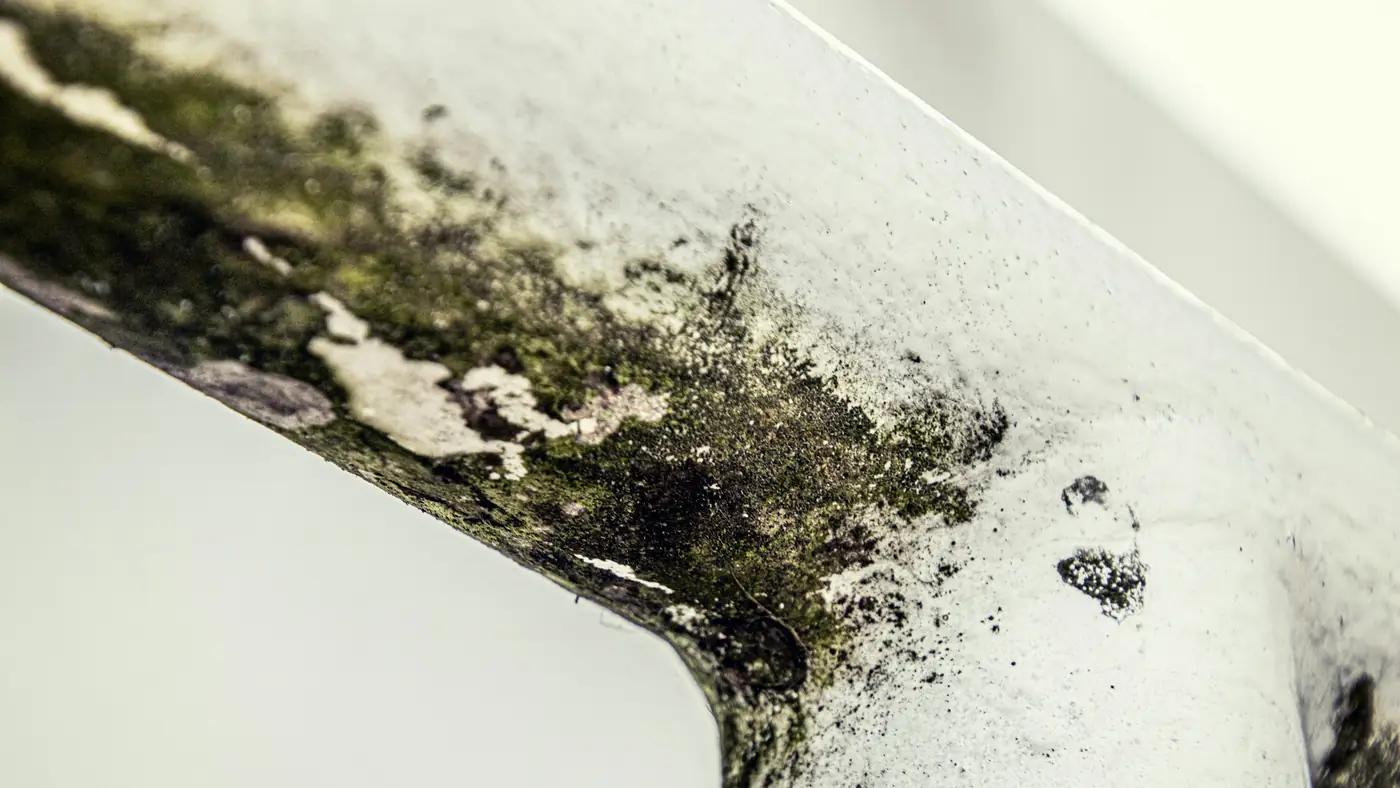
In Florida’s heat and humidity, a small leak can turn into mold in a day or two. The good news: it usually starts in the same few places, and the fix always begins with the water.
Six places to check
- The AC closet. In Florida the air handler pulls a lot of water out of the air. If the drain pan or the drain line clogs, water sits there. Look for rust, a wet floor or a musty smell when the AC turns on.
- Under the sinks. Slow drips from pipes and the dishwasher hose.
- The bathroom. Grout, caulk, behind the toilet and the ceiling over the shower. Run the fan while you shower and for a while after.
- Closets on outside walls. Less air moves there, and the walls stay cooler.
- Windows and sliding doors. Water condenses on the frames and in the tracks.
- Behind the fridge and the washer. Ice maker and washer hoses can leak slowly, out of sight.
What you can do yourself
- Fix the water first. As the EPA puts it, the key to mold control is moisture control. Clean without fixing the leak and the mold comes back.
- Dry wet areas and things within 24 to 48 hours. That’s usually enough to keep mold from growing.
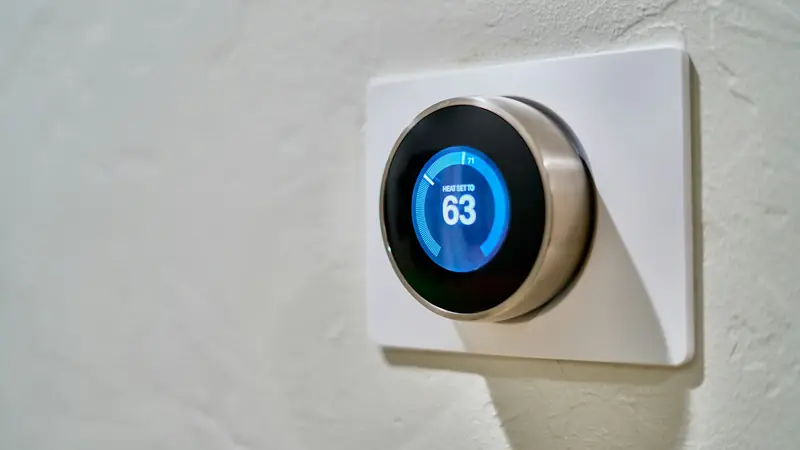
- Keep the humidity down: below 60% inside, ideally between 30% and 50%. A small humidity meter costs a few dollars. Your AC is your best dehumidifier, so don’t switch it off in the summer, even when you travel: the University of Florida suggests leaving it set no higher than 85°F.
- Clean small areas, under about 10 square feet (roughly 3 by 3 feet): scrub hard surfaces with detergent and water, then dry them completely. Gloves, goggles and an N-95 mask help.
- Skip the bleach. The EPA doesn’t recommend bleach as a routine fix. Dead mold can still cause allergies, so it has to be removed, not just killed.
- Throw out soaked things that stay moldy, like ceiling tiles and carpet.
When to call a pro
- The moldy area is bigger than about 10 square feet.
- After a flood, a sewage backup or water inside the walls.
- The AC system or the ducts may be moldy.
- Someone at home has asthma, allergies or a weak immune system. Talk to a doctor too.
Need a pro for this?
Tell us what you need and see local pros near you, with photos of their work. Then message them on WhatsApp. Free, no sign-up.
Sources
- U.S. EPA: a brief guide to mold, moisture and your home
- Florida Statutes §468.8411: what counts as mold assessment and remediation
- Florida Statutes §468.8419: what mold assessors and remediators may not do
- UF/IFAS Extension: closing your seasonal home
This guide is general information, not legal or professional advice. Rules change, so check the sources and ask a licensed pro about your home.