Snowbird checklist: closing and opening your Florida home
A Florida home that sits empty all summer faces heat, humidity and hurricane season on its own. A few steps before you leave, and a quick walk-through when you’re back, prevent most surprises.
Before you leave for the summer
These tips come from the University of Florida’s guide to closing a seasonal home.
- Leave the AC on, set no higher than 85°F. Any warmer and the humidity inside climbs past 55% to 60%, which is when mold and bacteria start to grow.
- Turn off the water at the meter outside, unless it also feeds your sprinklers. A burst pipe in an empty house can flood it for weeks.
- Turn off the water heater if you’ll be gone more than a month. For shorter trips, set it to the lowest setting.
- Empty the fridge of anything that spoils, and leave a bag of ice cubes in the freezer. If you come back to one solid block of ice, the power went out while you were away.
- Cover the toilets with plastic wrap and put stoppers in the drains, to keep sewer smells and bugs out.
- Make a storm plan. Arrange for someone to put up the shutters and bring things inside if a hurricane heads your way. The season runs until November 30.
- Find someone you trust to check on the house regularly, and have your mail picked up or forwarded.
When you’re back: ten checks before you unpack
- Run the AC for an hour. Weak airflow or a musty smell? Have it checked before it gets worse.
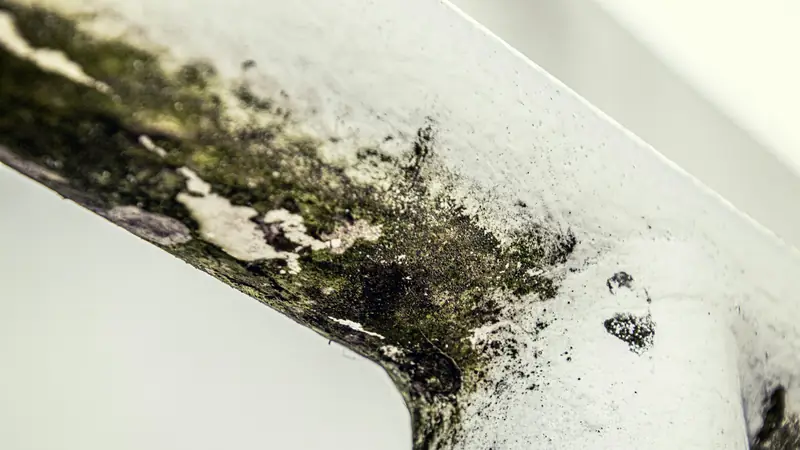
- Look for mold in closets, under the sinks, behind furniture and around the AC vents. Here’s where mold hides and what to do.
- Run every faucet and flush every toilet to clear the pipes, and look for drips.
- Look for pests. Droppings, ant trails or termite wings near the windows mean it’s time to call a pro.
- Check the pool: the water level, the color and the pump. Green water needs help fast.
- Look up. Stains on the ceiling can mean a roof leak from the summer storms.
- Test the appliances: fridge, washer and dryer. Clean the dryer vent before the first load.
- Check the locks, the sliding doors, the windows and the garage door opener.
- Test the smoke and carbon monoxide alarms. The U.S. Fire Administration says to test smoke alarms every month and replace the whole alarm every 10 years.
- Walk the yard: sprinklers, overgrown trees and anything that could fly around in a storm.
Need a pro for this?
Tell us what you need and see local pros near you, with photos of their work. Then message them on WhatsApp. Free, no sign-up.
Sources
- UF/IFAS Extension: closing your seasonal home
- U.S. Fire Administration: smoke alarms
- U.S. EPA: a brief guide to mold, moisture and your home
This guide is general information, not legal or professional advice. Rules change, so check the sources and ask a licensed pro about your home.