
Hiring an electrician in Florida: license, permits and tips
In Florida, electrical work for pay takes a state license. Here’s how to check an electrician, which jobs need a permit, and what to know before you hire.
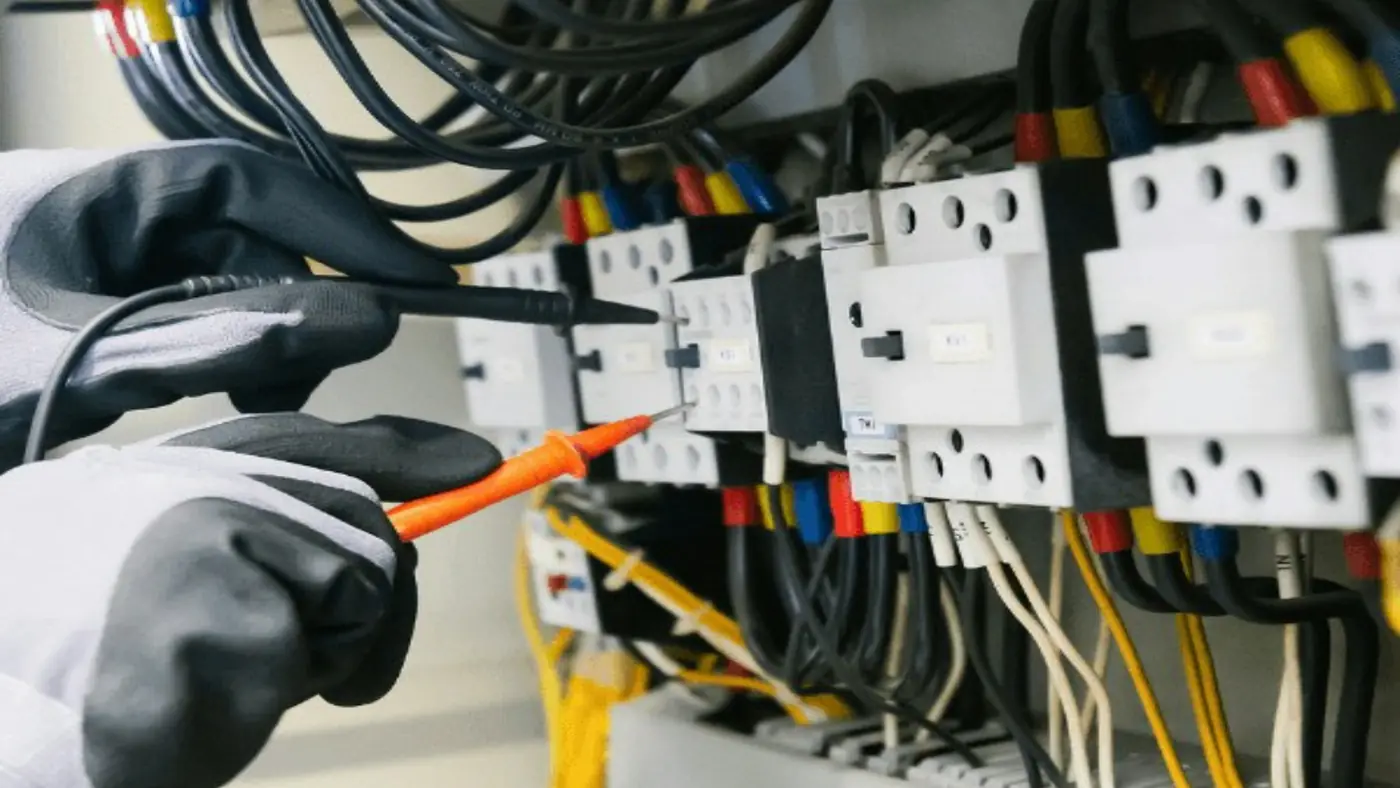
Does it need a license in Florida?
Yes. Electrical contracting for pay takes a state license from Florida’s Electrical Contractors’ Licensing Board. On the state’s license site, look for these letters:
| Letters | What it means |
|---|---|
| EC | Certified electrical contractor: all electrical work, including alarms and all specialty categories |
| ER | Registered electrical contractor: the same work, but only in the cities or counties where they’re registered |
| ES | Certified specialty contractor, for example for residential electrical work or low-voltage systems |
| ET | Registered specialty contractor |
A certified license (EC or ES) is good anywhere in Florida. A registered one (ER or ET) is good only where the contractor is registered.
How to check the license
- Ask for the license number. Electrical contractors must state it in their offers, proposals and ads.
- Look it up on myfloridalicense.com, the license search of the Florida Department of Business and Professional Regulation (DBPR). You can search by name, license number, city or county.
- Check the result. The name should match the person or company you’re hiring, the status should say Current, Active, and the letters should be EC, ER, ES or ET. With a specialty license (ES or ET), check that the specialty fits your job.
- An ER or ET license? Ask whether they’re registered in your city or county.
For more help, see our license guide.
Do you need a permit?
Florida’s general rule is that building, changing or repairing a building needs a permit, unless a law says otherwise. Permits are handled locally, so the details differ. Some county examples:
| Job | Permit? |
|---|---|
| Panel work, a new circuit, or a ceiling fan or light on a new circuit | Yes, in Martin County |
| Changing or upgrading the electrical service, replacing wiring, or adding new wiring or fixtures | Yes, in Putnam County |
| Replacing a light fixture, a ceiling fan or an outlet | No, in Putnam County (a local rule) |
| Swapping a fixture or device for the same kind, outside a flood zone | No, in Charlotte County, but you still need a contractor |
For your area, see our pages on Miami-Dade, Broward, Palm Beach and Orange counties, or call your local building department.
The new $7,500 rule doesn’t cover electrical work. Since July 1, 2026, a state law (HB 803) lets the owner of a single-family home, or their contractor, skip the building permit for work under $7,500, on written request with a copy of the contract. But it leaves out electrical work, along with plumbing, mechanical (AC), gas and structural work, and it doesn’t apply in flood hazard areas.
No permit doesn’t mean no license. Charlotte County says it directly: work that doesn’t need a permit may still need a licensed contractor.
Before you hire
- “It’s just a small job.” In general, Florida’s electrical licensing law has no small-job exemption like the $2,500 one handymen use for other work. Plan on a licensed electrician even for small jobs, and ask your city’s building department if you’re not sure.
- Doing your own wiring? Even under the owner exemption, you may not hire an unlicensed person to do it.
- Ask whether your job needs a permit, and who will apply for it.
- On contracts over $2,500, Florida requires a warning that unpaid workers or suppliers can make a claim against your home, even if you paid in full. Ask for a written lien release before each payment.
Good to know: TV, network and low-voltage wiring
- In past rulings, Florida’s Electrical Contractors’ Licensing Board said that network and home-theater wiring takes a license, and so do “in-wall power extension kits”, which sound like the kits sold to hide a TV’s cord.
- The license made for this work is the Limited Energy System Specialty (ES or ET), once called “low voltage”. An EC license covers it too.
- No electrical license is needed for cable TV and phone company workers doing their communications wiring, or to install plug-in, low-voltage garden lights that need no change to your home’s wiring.
- In some counties, for example Charlotte County, low-voltage security, cable TV and phone work needs no permit, but you still need a contractor.
Need a pro for this?
Tell us what you need and see local pros near you, with photos of their work. Then message them on WhatsApp. Free, no sign-up.
Sources
- Florida DBPR: verify a license
- Florida DBPR: what the license codes mean
- Florida DBPR: electrical contractors
- Florida DBPR: certified and registered contractors
- Florida Statutes §489.505: electrical contractor definitions
- Florida Statutes §489.503: exemptions from electrical licensing
- Florida Statutes §489.521: license number in offers and ads
- Florida Statutes §713.015: the lien warning
- Florida Statutes §553.79: permits and the $7,500 exemption
- Florida Senate: HB 803 (2026)
- Martin County: do I need a permit?
- Putnam County: permit requirements (PDF)
- Charlotte County: permit requirements
- Florida Electrical Contractors’ Licensing Board: rulings (PDF)
- Florida Electrical Contractors’ Licensing Board: know your scope (PDF)
This page is general information, not legal advice. Rules change and differ from city to city, so check the official links and ask your city or county.