Tree service in Florida: permits, arborists and mangroves
Florida has no state license for tree trimmers, but trees have rules. Many cities and counties protect them, a certified arborist’s report can change the answer, and mangroves have a state law of their own.
Does it need a license in Florida?
There is no state license for trimming or removing trees, as far as the license list of the Florida Department of Business and Professional Regulation (DBPR) shows.
Two credentials still matter, because Florida law gives them a role:
- ISA Certified Arborist. A private certification from the International Society of Arboriculture. A certified arborist’s risk report can let you remove a dangerous tree without a local permit (see below), and certified arborists count as professional mangrove trimmers.
- Pest control license. Spraying or injecting trees for pests is pest control, which takes a business licensed by the Florida Department of Agriculture and Consumer Services (FDACS). See our pest control page.
How to check
- Arborist: ask for the ISA certification number and check it on the ISA’s website.
- Tree spraying: find the company in the Pest Control Business Licenses report on the FDACS licensing site.
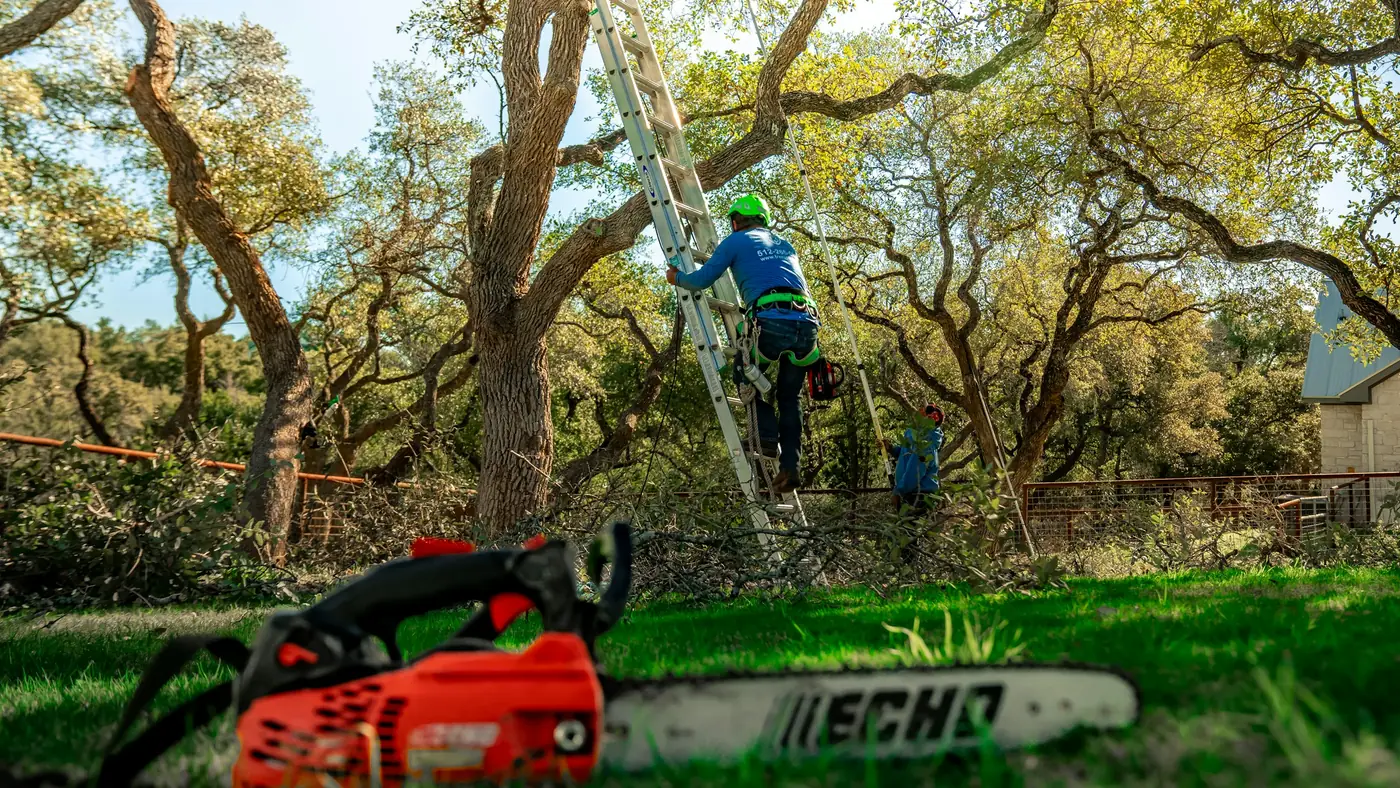
- Insurance: tree work is risky for the crew and for your house. Ask for proof of liability insurance before anyone climbs.
Do you need a permit?
Local rules first. Many cities and counties protect trees. Miami-Dade County, for example, requires a permit to remove or relocate most trees, while some cities, such as Miami, Coral Gables and Pinecrest, have their own tree rules. Selective pruning done to the industry standard needs no county permit, but pruning so heavy that it destroys the tree, like topping or “hatracking”, violates the county code (Miami-Dade, 2021).
The state rule for dangerous trees. On a single-family home lot, a city or county may not require a permit, a fee, a notice or replanting to prune, trim or remove a tree if you have a report from an ISA Certified Arborist or a Florida licensed landscape architect saying the tree poses an unacceptable risk to people or property. The report must follow the industry’s tree risk assessment method. This rule doesn’t apply to mangroves.
Mangroves
Mangroves are protected by state law. On your own shoreline, if it’s 150 feet long or less, you may trim mangroves that are 10 feet tall or less without a permit, as long as none is cut below 6 feet and no herbicide is used. Taller ones, up to 24 feet, must be trimmed by a professional mangrove trimmer. Other cases need a permit from the state or your local government.
Before you hire
- Get a written price that says which trees, how much comes off, whether the stump is ground, and who hauls the wood away.
- Ask about the power lines. Branches near them are dangerous: ask your power company about lines on your lot.
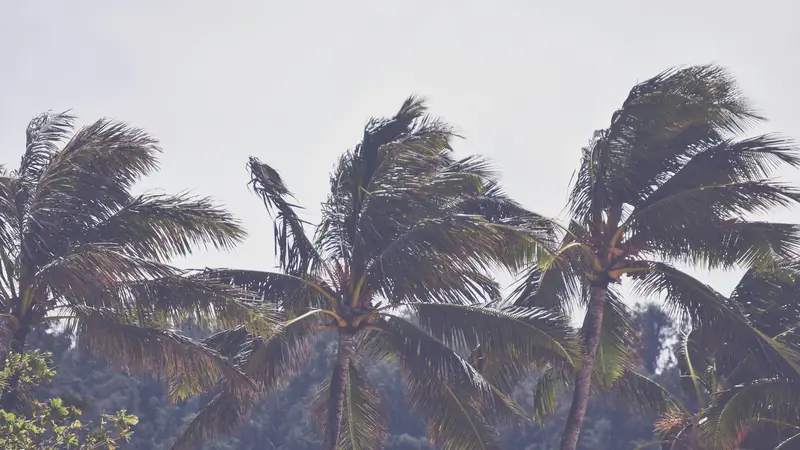
- Before hurricane season, trim dead branches. They turn into flying debris. See our hurricane guide.
- Ask who checks the permit. If a permit or an arborist’s report is needed, decide in writing who gets it before the work starts.
Need a pro for this?
Tell us what you need and see local pros near you, with photos of their work. Then message them on WhatsApp. Free, no sign-up.
Sources
- Florida DBPR: the professions it licenses
- Florida Statutes §163.045: tree removal on residential property
- Florida Statutes §403.9325: mangrove definitions
- Florida Statutes §403.9326: mangrove trimming without a permit
- Florida Statutes §403.9329: professional mangrove trimmers
- Florida Statutes §482.021: what counts as pest control
- FDACS: licensing portal
- Miami-Dade County: tree removal permit package (PDF, 2021)
This page is general information, not legal advice. Rules change and differ from city to city, so check the official links and ask your city or county.