Hiring a painter in Florida: license, permits and lead paint
Painting is one of the few home jobs Florida leaves open: there’s no state license, and cities and counties can’t require their own. That puts the checking on you. Here’s what matters.
Does it need a license in Florida?
No. Florida has no state license for painting, and the state’s contractor law goes further: cities and counties may not require a license for painting, or for stucco, plastering, caulking and pressure washing. They also may not require a license to get a permit for those jobs.
A license matters when the job grows into other work:
- Roof coatings. If a coating is sold to waterproof the roof, stop leaks or make the roof last longer, Florida law counts it as roofing work. That takes a licensed roofing contractor (CCC or RC). See our roofing page.
- Repairs behind the paint. Rotten wood in the walls, a moved wall or new windows may need a licensed contractor and a permit. See our remodeling page.
- Electrical. Moving a light or an outlet before painting is a job for a licensed electrician.
How to check
There’s no painting license to look up, so check these instead:
- Lead-safe certification, for older homes. In a home built before 1978, the EPA requires anyone paid to disturb painted surfaces to be lead-safe certified, including one-person businesses. Search the company in the EPA’s list of certified firms.
- Workers’ comp. In Florida, construction businesses with even one employee must carry workers’ compensation, and painting is on the state’s list of construction trades. Search the business in the state’s Proof of Coverage database. An owner who works alone may have an exemption instead.
- Roof work. If they’ll coat the roof, ask for the roofing license number and look it up on myfloridalicense.com.
Do you need a permit?
Usually not for painting. Martin County, for example, lists painting, papering and flooring among the jobs that need no permit, and Charlotte County says the same for painting outside a flood zone.
Stucco is different. Martin County lists siding and stucco among the projects that need a permit, and Charlotte County requires one for stucco over 25 square feet. Ask your city or county building department before the work starts.
Before you hire
- Get a written estimate that says which rooms or walls, how many coats, the brand and line of paint, and who buys it.
- Ask about the prep. Washing, scraping, patching and priming are most of the work on a good paint job. For outside walls, see our pressure washing page.
- Home built before 1978? Ask how they’ll contain the dust. The EPA rule covers paid work that disturbs more than 6 square feet of paint per room inside, or more than 20 square feet outside.
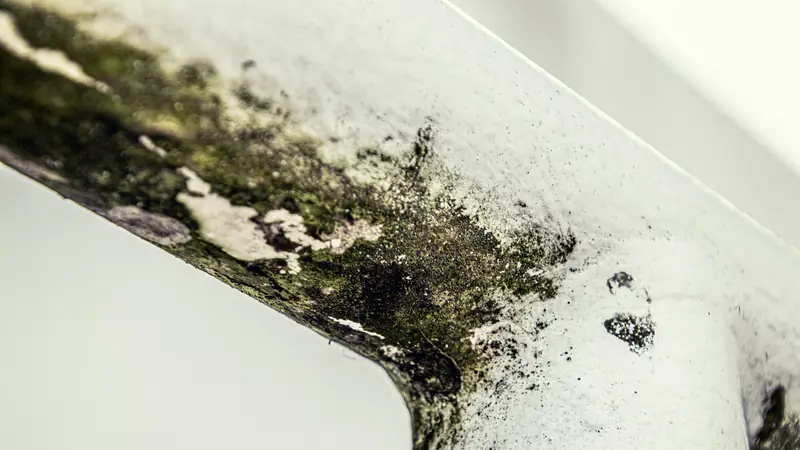
- Moisture first. The EPA says not to paint or caulk moldy surfaces: clean the mold and dry the surface first, or the paint is likely to peel. See our mold guide.
Your own home, your own brush? In general, the EPA’s lead rule doesn’t cover homeowners painting their own home. It does cover anyone you pay.
Need a pro for this?
Tell us what you need and see local pros near you, with photos of their work. Then message them on WhatsApp. Free, no sign-up.
Sources
- Florida Statutes §489.117: job scopes local governments may not license
- Florida Statutes §489.105: roofing includes coatings sold to stop leaks
- Florida DBPR: verify a license
- U.S. EPA: Lead Renovation, Repair and Painting Program
- U.S. EPA: the RRP rule for contractors
- U.S. EPA: find a lead-safe certified firm
- Florida Division of Workers’ Compensation: coverage requirements
- Florida Administrative Code 69L-6.021: construction trades for workers’ comp
- Martin County: do I need a permit?
- Charlotte County: permit requirements
- U.S. EPA: a brief guide to mold, moisture and your home
This page is general information, not legal advice. Rules change and differ from city to city, so check the official links and ask your city or county.