Security cameras and alarms in Florida: licenses and rules
In Florida, the people who install, service or even sell burglar alarms in your home must be licensed and background-checked. Wired cameras fall under the same board. Here’s how to check them.
Does it need a license in Florida?
Yes. Florida’s Electrical Contractors’ Licensing Board licenses alarm work. An “alarm system” is any device that detects or signals a burglary, a fire, a robbery or a medical emergency.
| Letters | What it covers |
|---|---|
| EF or EY | Alarm system contractor I: all alarms, fire alarms included |
| EG or EZ | Alarm system contractor II: all alarms except fire alarms |
| EC | Certified electrical contractor: all electrical work, alarms included |
| ES or ET | Limited Energy specialty: cameras, intercoms and electric locks, not alarms |
Where they may work: EF, EG, EC and ES are certified licenses, good anywhere in Florida. EY, EZ and ET are registered, good only where the contractor is registered.
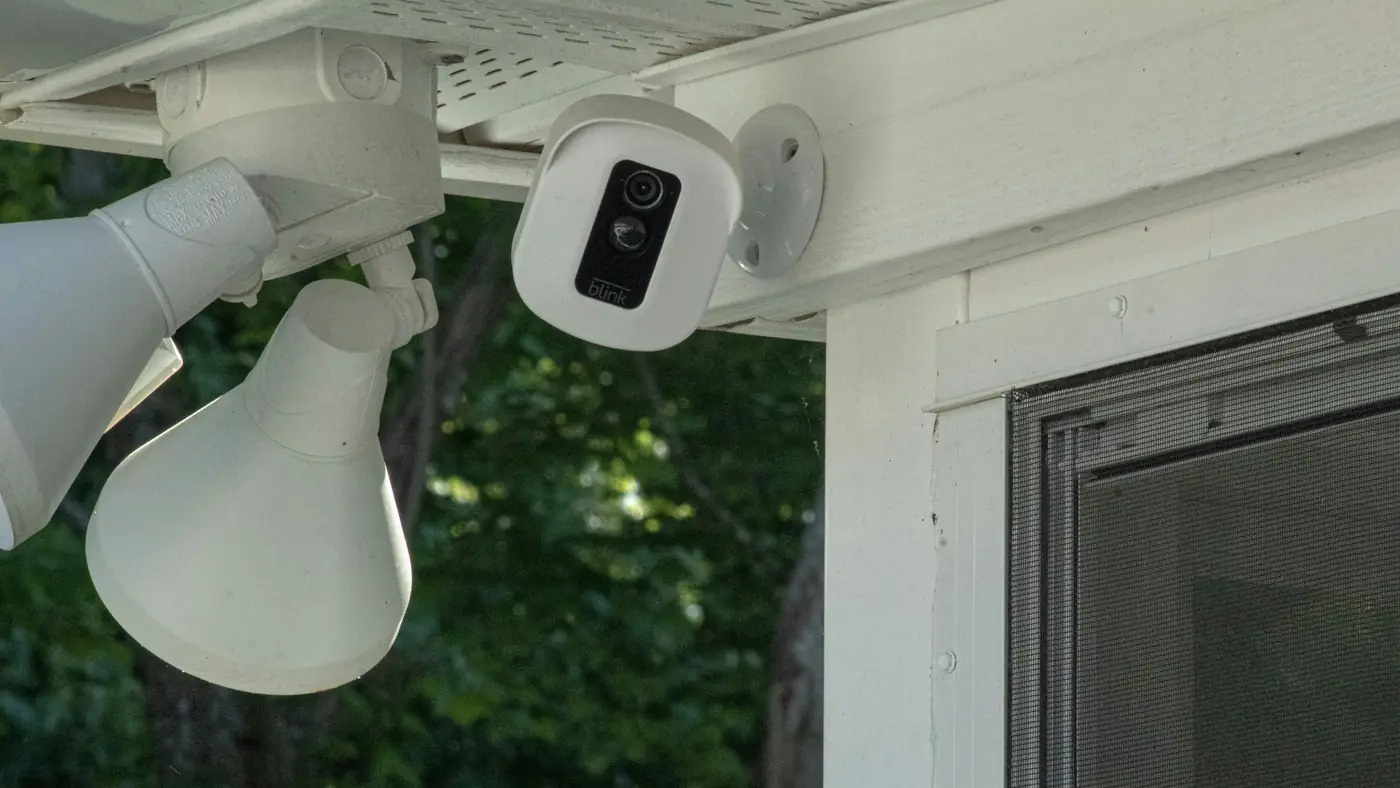
Cameras. The board’s own chart lists cameras (CCTV), intercoms and electric locks under the Limited Energy category, which electrical, alarm and Limited Energy licenses cover. A camera that’s part of an alarm system is alarm work.
The people at your door. In general, the technicians a contractor sends to install, service or sell burglar alarms must be at least 18, pass a fingerprint background check with the Florida Department of Law Enforcement, complete at least 14 hours of training within 90 days of being hired, and carry an ID card with their photo, the contractor’s name and its license number.
How to check the license
- Ask for the license number and look it up on myfloridalicense.com, the license search of the Florida Department of Business and Professional Regulation (DBPR). The name should match, and the status should say Current, Active.
- Check the letters against the job: fire alarms need EF, EY or EC. Burglar alarms can be any alarm license or EC.
- Ask to see the technician’s ID card. It must show their photo and the contractor’s name and license number.
Do you need a permit?
The rules are local. Charlotte County, for example, needs no permit for low-voltage security, cable TV and phone work, but says a contractor is required. A new circuit for the system is different: see our electrician page.
Before you hire
- Read the monitoring contract: the monthly price, how long it lasts, and how to cancel.
- Ask what the cameras record and where the video is kept, and who can see it.
- Signed at your kitchen table? If a seller came to your home uninvited and you signed there, Florida law generally lets you cancel until midnight of the third business day, in writing.
- Doing it yourself? Plug-in cameras and battery doorbells need no license to set up in your own home. The license rules are for people you pay.
Think twice about sound. Florida law generally makes it legal to record a private conversation only when everyone in it has agreed. A camera that records audio, inside or out, can cross that line.
Need a pro for this?
Tell us what you need and see local pros near you, with photos of their work. Then message them on WhatsApp. Free, no sign-up.
Sources
- Florida Statutes §489.505: alarm system and contractor definitions
- Florida Statutes §489.518: alarm system agents, training and ID cards
- Florida Electrical Contractors’ Licensing Board: know your scope (PDF)
- Florida DBPR: electrical contractors
- Florida DBPR: verify a license
- Florida DBPR: what the license codes mean
- Charlotte County: permit requirements
- Florida Statutes §501.025: the 3-day right to cancel a home sale
- Florida Statutes §934.03: recording conversations
This page is general information, not legal advice. Rules change and differ from city to city, so check the official links and ask your city or county.