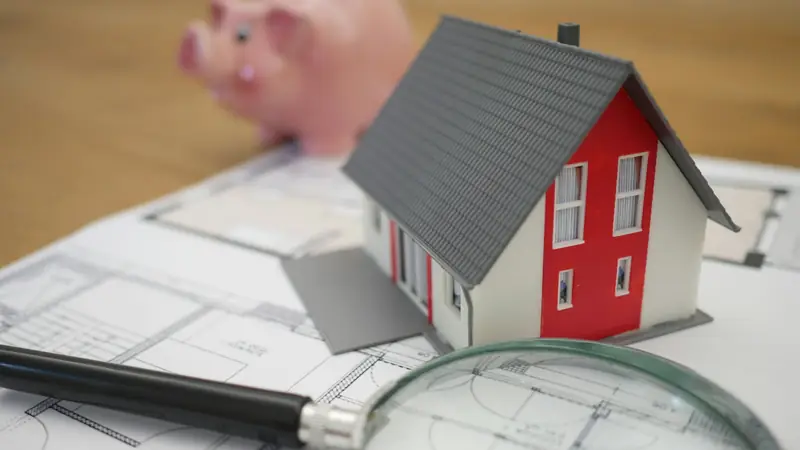
Concrete and pavers in Florida: licenses and permits
A paver patio or a new driveway is open work in Florida: no state license, and cities and counties can’t require their own. The rules start at the street, under the house, and behind a tall retaining wall.
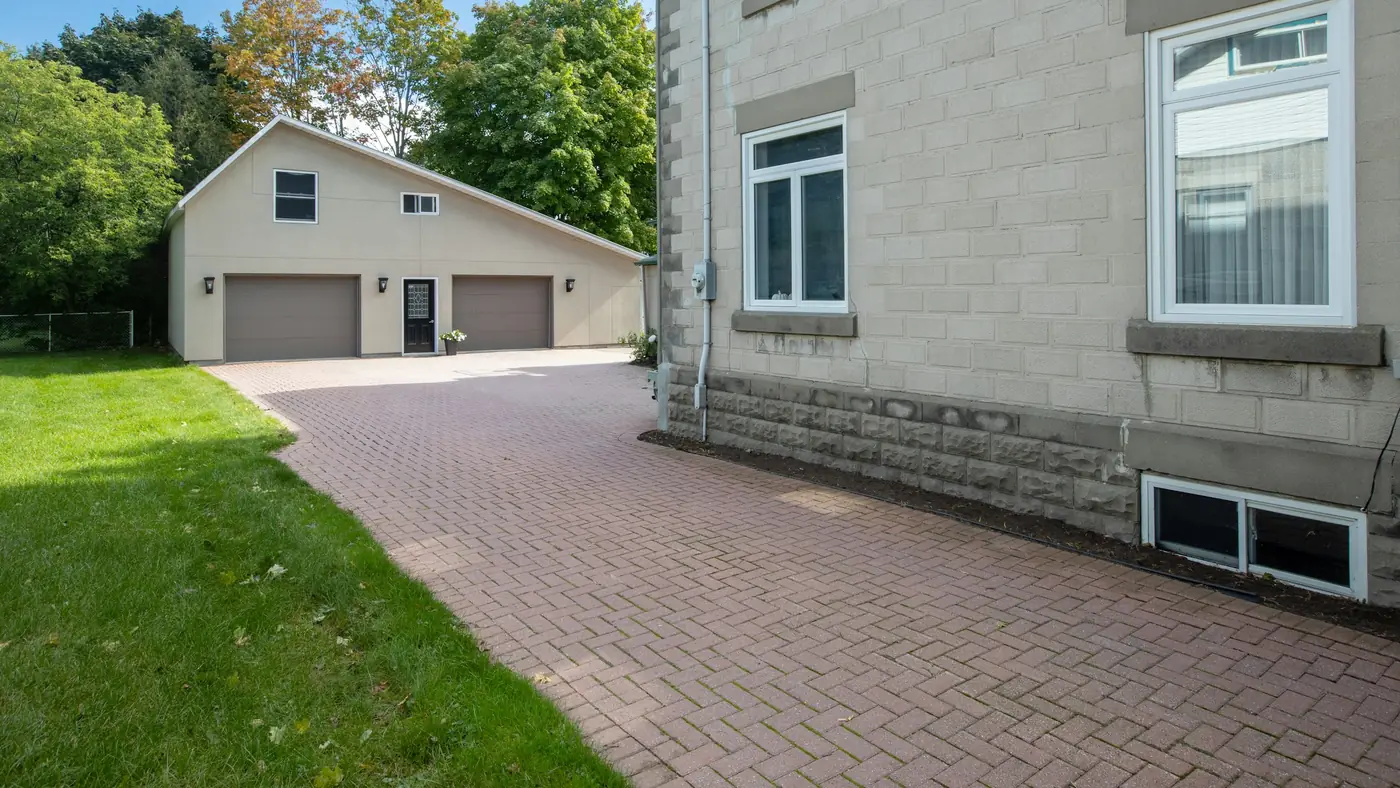
Does it need a license in Florida?
Not for most flatwork. Florida’s contractor law says cities and counties may not require a license for driveway installation, or for decorative stone, tile, marble, granite or terrazzo. They also may not require a license to get a permit for that work.
The structure is different:
- Foundations, slabs for an addition, structural block walls are contractor work. Look for a general, building or residential contractor (CGC, CBC or CRC, or RG, RB or RR). Florida also has voluntary specialty licenses for structural masonry and precast concrete.
- A job that needs a permit. When Charlotte County ended its local concrete and masonry licenses, it said permitted concrete work must be done by a certified or registered general, building, residential or specialty contractor.
- Seawalls and docks are marine work, with their own permits and specialty licenses.
How to check
- Structural work: ask for the license number and look it up on myfloridalicense.com. The name should match, and the status should say Current, Active.
- Workers’ comp: concrete work on driveways, floors and sidewalks is on the state’s list of construction trades, so a business with even one employee must carry it. Search it in the Proof of Coverage database.
- Past work: ask for photos and addresses of jobs a few years old, to see how they held up.
Do you need a permit?
The rules are local. Some county examples:
- Driveways and the street. In Charlotte County, installing, redoing or resurfacing a driveway in the county right-of-way needs a right-of-way permit, with a scaled drawing.
- Patios and slabs. Martin County lists patios among the projects that need a permit. Putnam County sends exterior concrete, sidewalks, driveways, patios and slabs to its planning and zoning office.
- Retaining walls. Charlotte County requires a permit, with engineered plans, for landscape retaining walls 48 inches or taller. Lower ones get a zoning review only.
Before you hire
- Ask who calls 811. Florida law requires anyone digging to notify Sunshine 811 at least 2 full business days before, so buried lines can be marked. Call 811 or 1-800-432-4770.
- Get a written price with the size, the thickness or the paver type, the base, the sealing and who hauls away the old material.
- Ask about the water. Where will the rain go? A new slab shouldn’t send water toward your house or your neighbor’s.
- Ask who gets the permits, for the driveway apron and the work on your lot. It should be the contractor.
Need a pro for this?
Tell us what you need and see local pros near you, with photos of their work. Then message them on WhatsApp. Free, no sign-up.
Sources
- Florida Statutes §489.117: job scopes local governments may not license
- Florida Statutes §489.105: general, building and residential contractors
- Florida Statutes §489.113: voluntary specialty licenses, including structural masonry
- Charlotte County: local license update (PDF)
- Charlotte County: right-of-way permit requirements
- Charlotte County: permit requirements
- Martin County: do I need a permit?
- Putnam County: permit requirements (PDF)
- Florida DBPR: verify a license
- Florida Division of Workers’ Compensation: coverage requirements
- Florida Statutes §556.105: notice before digging
- Sunshine 811
This page is general information, not legal advice. Rules change and differ from city to city, so check the official links and ask your city or county.